.2607140024258.jpg)
As the crisp autumn air begins to roll across the Arkansas River Valley, local plant lovers start preparing their green friends for the colder months. Bringing your potted ferns, hibiscus, and herbs indoors is a great way to save them from the winter freeze. However, those lush leaves and warm potting soil make perfect hiding spots for outdoor bugs. If you are not careful, you could easily invite unwanted guests straight into your cozy home.
Already noticed a few too many legs crawling around your living room? Protect your home and family today by contacting us via our contact page or giving us a quick call at (479) 398-2196 to get ahead of indoor pest problems.
Common Hitchhikers to Watch Out For
Before you move any pots inside, it helps to know exactly what you are looking for. Many plant pests are incredibly small and excellent at hiding under leaves or just beneath the soil surface.
Small but Mighty Sap-Suckers
Several tiny insects love to feast on the juices of your favorite houseplants. Because they reproduce quickly, a small outdoor population can turn into a major indoor hassle within a few weeks.
Keep an eye out for these frequent plant pests:
- Aphids: Soft, pear-shaped bugs that gather in clusters on new growth.
- Spider Mites: Extremely tiny pests that look like moving dust and leave fine, silk-like webs on your plants.
- Mealybugs: Small, slow-moving insects that look like tiny bits of white cotton stuck to the stems.
Soil Dwellers and Ground Invaders
Some pests prefer the damp, dark conditions of potting soil rather than the leaves. They can easily slip by unnoticed until they start flying around your kitchen or crawling across your floors:
- Fungus Gnats: Tiny black flies that live as larvae in wet soil and fly around your face when you water your plants.
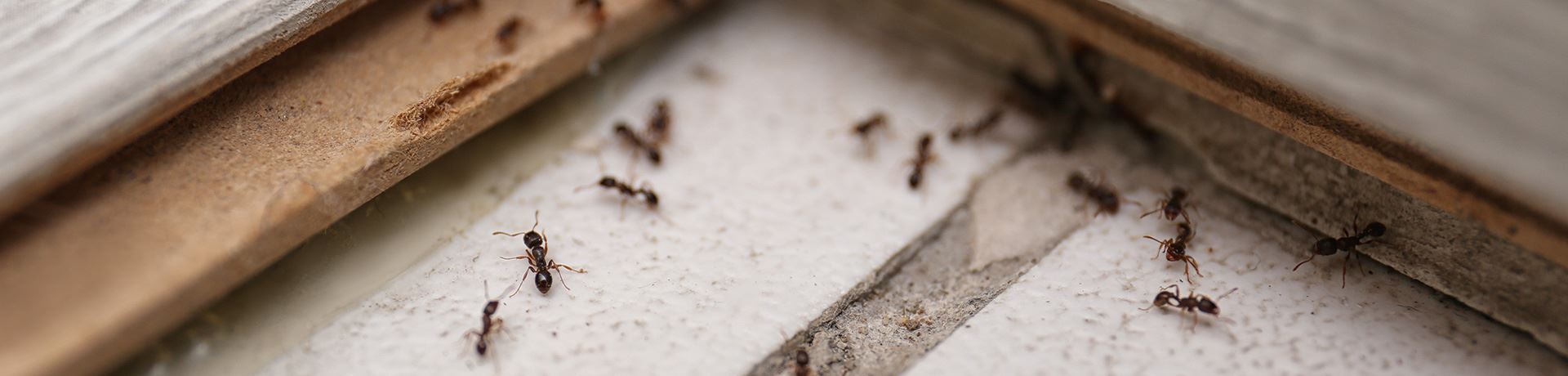
- Ants: Some species build entire nests in the loose soil of large potted outdoor plants. If you bring them inside, you may soon find yourself looking for reliable ant control solutions.
Step-by-Step Guide to Safely Bringing Plants Inside
The best way to keep these bugs out of your home is a thorough cleaning and inspection process. By taking your time before the first freeze, you can keep pests out of your home.
Inspect and Prune
Start your inspection while your plants are still sitting outside in bright, natural light.
- Check the undersides of the leaves, where most bugs love to hide from the sun.
- Look closely at the leaf joints and along the main stems.
- Prune away any dead, yellowing, or heavily infested leaves and discard them in an outdoor trash can.
Give Them a Gentle Bath
A simple wash can remove the vast majority of surface pests.
- Use a gentle spray from your garden hose to wash down the leaves and stems.
- For delicate plants, wipe the leaves down with a soft, damp cloth and a few drops of mild dish soap.
- Make sure to wash the outside of the pot and the bottom drainage holes, which are favorite hiding spots for spiders and snails.
Treat the Soil
Because so many pests live in the dirt, treating the soil is just as important as washing the leaves.
- Submerge the entire pot in a bucket of lukewarm water for about 15 minutes to force air-breathing pests to climb out.
- Let the soil dry out completely before bringing the plant inside, as damp soil is an open invitation for fungus gnats.
Keeping Your Home Safe After the Move
Once your plants are inside, your job is not quite done. The transition from the humid outdoors to a heated indoor environment can stress your plants, making them more vulnerable to bugs.
Create a Quarantine Zone
If you have other houseplants that stay indoors year-round, do not mix your outdoor plants with them right away. Keep your newly moved plants in a separate room for at least two weeks. This quarantine period gives any hidden pest eggs time to hatch, allowing you to catch and treat them before they spread to your healthy indoor collection.
Monitor Moisture Levels
Indoor heating dries out the air, but it also means your plants need less water than they did outside. Overwatering is the number one cause of indoor pest issues, particularly fungus gnats. Always feel the top inch of soil with your finger; if it is still damp, hold off on watering for a few more days.
Watch for Unwanted Hitchhikers on Pets
Sometimes, bringing plants inside coincides with other pests entering the home to escape the cooling weather. Ticks and fleas love the tall grass around your outdoor garden beds and can easily hitch a ride inside on your family pets or your clothes. Keeping your yard tidy and maintaining proactive flea and tick control around your home's exterior will keep these biting pests from settling indoors.
When to Call in the Professionals
Sometimes, despite your best efforts, a few stubborn pests make it past your defenses. If you start noticing pests spreading to your furniture, kitchen, or other rooms, a simple plant spray may no longer be enough.
In Arkansas, pests like ants, spiders, and roaches love to seek shelter indoors during the late fall. If a minor plant pest issue turns into a larger household concern, professional home pest control can help you protect your living spaces. A trained eye can locate hidden nests and apply target treatments to restore comfort to your home.
If you are struggling with unwanted pests in your Little Rock, Russellville, or Dardanelle home, George Termite And Pest Control is here to help. Our friendly, local team can inspect your home and create a custom plan to keep your living areas comfortable and secure all year long. Give us a call today at (479) 398-2196 or visit our contact page to schedule a friendly home visit.